 Save
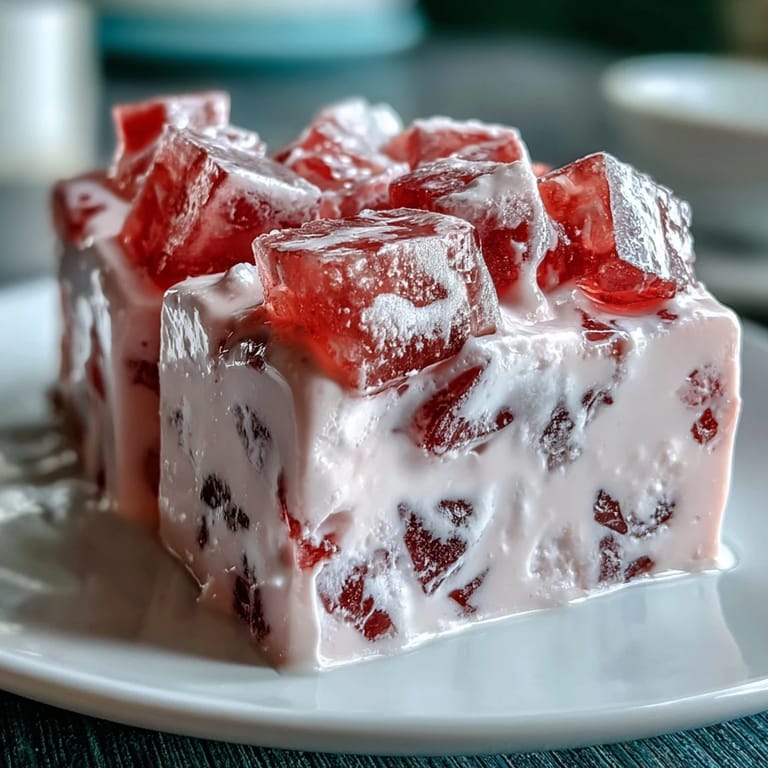
Save The first time I made a mosaic cake, the kitchen was awash in sunlight and the aroma of sweet rosewater filled every corner. Playing with vibrant cubes of gelatin felt a little like crafting a stained-glass window, and my countertop quickly became a cheerful mess. I’d never thought a dessert could look quite so playful yet taste so delicate. The surprise wasn’t just in the look, but how the flavors tumbled together—strawberry tang, floral notes, and silky cream—all dancing at once. Since then, this cake has become my favorite way to celebrate those afternoons that seem made for laughter and something cool and pretty for dessert.
My favorite memory is serving this cake after a backyard dinner, the sky still pink and the first fireflies just flickering to life. Everyone leaned in, curious, then grinned when the slices revealed their jumbled, jewel-like centers. Even my most skeptical friend—who usually prefers chocolate everything—went back for seconds after a conspiratorial wink. The laughter over each wonky but beautiful slice is what stuck with me. It’s a dessert that gives you a story with every piece.
Ingredients
- Strawberry-flavored gelatin: Choose the brightest brand you can find—the color really pops, and a well-dissolved packet guarantees clear, shiny cubes that don’t stick together.
- Unflavored gelatin: Makes the floral rose cubes and holds the whole creamy base together—always let it bloom in cold water first for the smoothest texture.
- Rose water: Not all rose waters are created equal—sniff before you buy, and use a gentle hand when adding so it doesn’t overpower.
- Granulated sugar: Sweetens the rose cubes just enough and helps that flavor linger after each bite.
- Pink food coloring (optional): Just a single drop gives a dreamy pastel blush for playful contrast—more is tempting but restraint looks best.
- Whole milk: Its richness pairs with the cream, balancing out the gelatin texture and giving every bite a velvety feel.
- Heavy cream: Lends extra silkiness and a fuller body, making the cream base more luscious than milk alone could ever manage.
- Sweetened condensed milk: Adds glossy sweetness that rounds out every flavor—don’t skip or skimp, and scrape the can clean!
- Vanilla extract: A tiny splash knits together all the other flavors and leaves the background trailing warmth.
Tired of Takeout? 🥡
Get 10 meals you can make faster than delivery arrives. Seriously.
One email. No spam. Unsubscribe anytime.
Instructions
- Make the strawberry gelatin:
- Dissolve the strawberry gelatin in boiling water, stirring until it’s perfectly clear and no grains remain. Pour into a shallow dish and refrigerate until it jiggles firmly, about an hour.
- Prepare the rose gelatin:
- Let the unflavored gelatin bloom over cold water while you gently heat sugar and water until the sugar vanishes. Stir in the blooming gelatin and rose water (plus a whisper of pink food coloring if you crave color), then pour into another dish and chill till set.
- Cube the gelatins:
- Once firm, use a sharp knife to cut both gelatins into neat little cubes—they don’t have to be perfect, and the variety makes every slice more interesting.
- Create the cream base:
- Sprinkle more unflavored gelatin over cold water, letting it bloom while you warm milk and cream just until tiny bubbles appear at the edges. Off the heat, whisk in the softened gelatin, then fold in condensed milk and a dash of vanilla—let it cool just enough so it’s pourable but won’t melt your pretty cubes.
- Assemble the mosaic:
- Mix the strawberry and rose cubes gently, arrange them in your oiled bundt or ring mold, and pour the creamy base all around, tapping to chase out sneaky air bubbles.
- Chill until set:
- Let the filled mold rest in your fridge for at least three hours, though overnight is best for perfect slices.
- Unmold and serve:
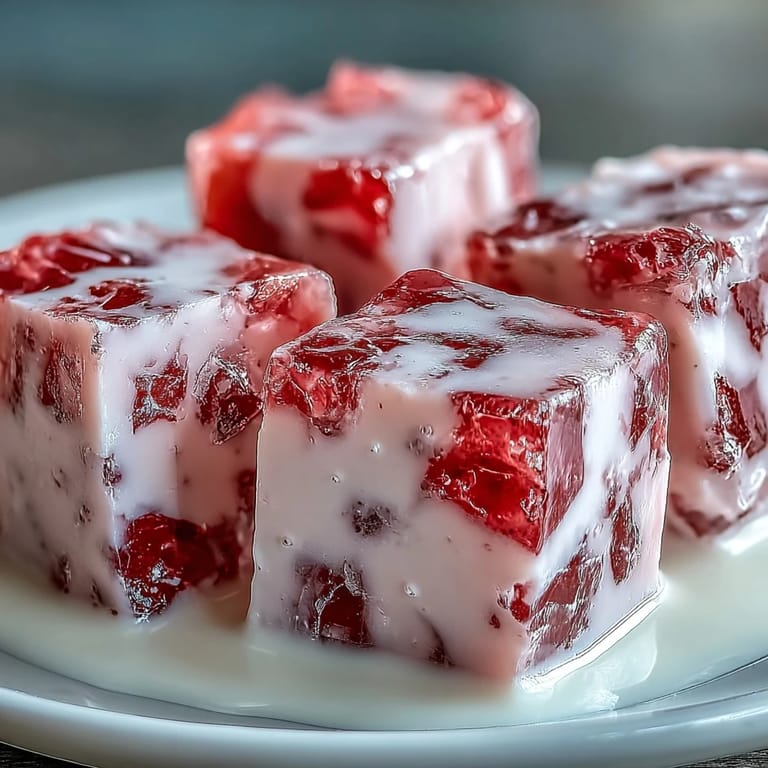
- Dip the mold’s bottom in warm water for just a moment, invert onto your prettiest plate, and reveal your edible mosaic. Slice and hand out generous portions while they’re cold and shimmering.
 Save
Save The cake turned into a showstopper at my cousin’s engagement party—arguments broke out over who got the slice with the most pink cubes, and even the elders eyed it like a centerpiece. Suddenly it wasn’t just dessert but a marker of that happiest, flower-filled day. I’ll always remember how proud it felt to watch everyone’s faces light up as they took their first bites. A recipe can do so much more than just feed you—it can make a moment.
On Getting the Rose Just Right
Rose water can be fickle and a little goes a long way—a heavy pour will tip the flavor into soapy territory, so start with less and sneak in more drop by drop if you crave extra perfume. The first few times, I found myself hovering over the bowl, letting steam carry the scent to judge if it felt balanced. If you’re nervous, add a few drops to a spoonful of the cream base to preview the flavor before committing. It’s surprisingly easy to end up with a subtle, sophisticated finish instead of an overpowering floral bomb. When it’s right, even skeptics of rose desserts will find it charming.
The Trick to Perfect Cubes
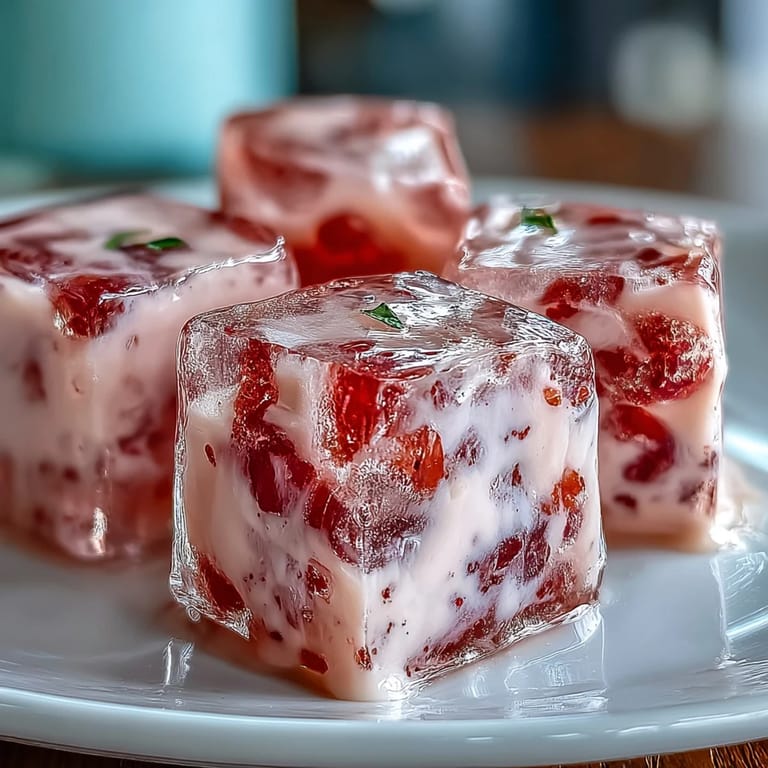
The cubes always look most inviting when you let the gelatins set completely—no wobbly impatience. I use my sharpest knife dipped in hot water, and wipe it quickly between cuts, so each piece feels like a tiny gemstone. Don’t stress if some cubes end up uneven; those jagged edges make the mosaic even more appealing. Once, my niece helped and her clumsy cubes made the final cake especially joyful. There’s something so forgiving and fun about the patchwork effect.
How to Unmold Without Tears
This step made me anxious at first, afraid I’d end up with a cracked mess, but gentle patience wins the day. Run a thin butter knife around the edge, dip the mold in warm water just long enough to loosen but not melt, and invert with confidence. The reveal is always a tiny thrill!
- Lightly oil the mold before filling for extra insurance.
- If stuck, gently flex the sides before inverting.
- Keep the cake chilled until the moment of serving.
 Save
Save Let your next gathering be the excuse to play with color and flavor in your own kitchen. A slice of this mosaic cake really does taste like summer and celebration in every wobbly, jewel-bright bite.
Recipe FAQ
- → How do I prevent the flavored gelatins from bleeding color into each other?
Fully chill each flavored gelatin until firm before cutting into cubes. Keep the cubes cold and handle gently; arranging them while slightly chilled reduces bleeding. If needed, blot excess surface moisture with a paper towel before mixing.
- → What is the correct way to bloom unflavored gelatin?
Sprinkle the unflavored gelatin evenly over a small amount of cold water and let it sit for 3–5 minutes until swollen. Warm the cream or milk, stir in the bloomed gelatin until fully dissolved, then cool to lukewarm before combining with other ingredients.
- → How can I avoid air bubbles in the cream base when pouring?
Let the cream mixture cool until lukewarm and pour slowly in a steady stream. Tap the mold gently on the counter after pouring to release trapped air, and skim any surface foam with a spoon before chilling.
- → What mold works best for a mosaic presentation?
A 10-inch ring or bundt mold creates a classic presentation that showcases the gelatin cubes. A straight-sided loaf or springform pan also works if you prefer slices with uniform cross-sections.
- → Can I make this with vegetarian gelatin alternatives?
Yes. Use a plant-based gelling agent like agar-agar or a certified vegetarian gelatin substitute, but adjust amounts and technique per the manufacturer's instructions as setting behavior and texture differ from gelatin.
- → Any tips for unmolding without damaging the mosaic surface?
Briefly dip the outside of the mold in warm water for a few seconds to loosen the edges, then invert onto a plate. Avoid prolonged warming to prevent melting; if edges stick, run a thin spatula gently around the rim first.