 Save
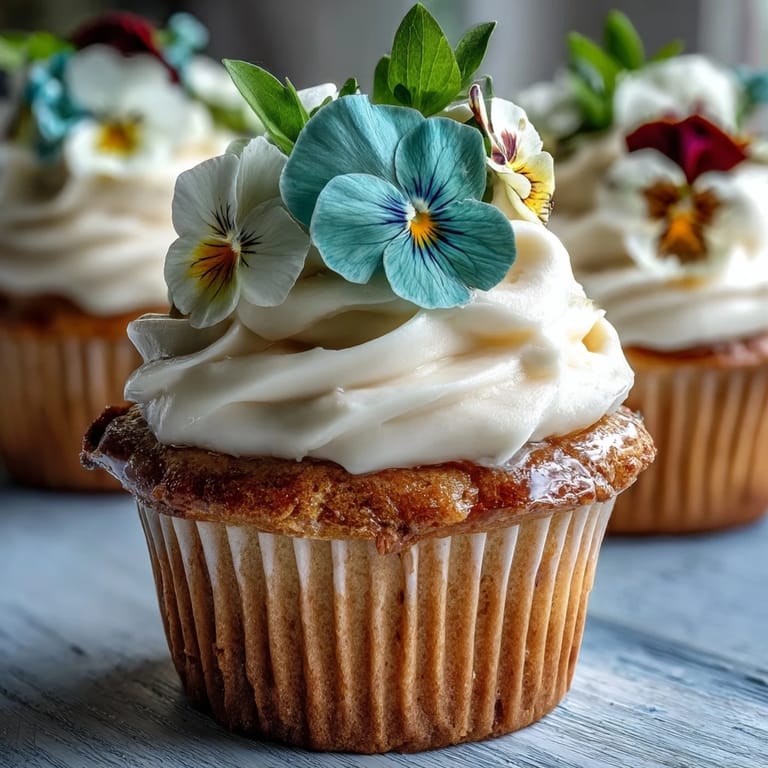
Save The first time I made these spring cupcakes, I had windows open and the scent of fresh grass mixed with vanilla drifting through the kitchen. There’s something quietly joyful about arranging edible flowers on just-cooled cupcakes, as if each one gets its own little celebration. I was a little wary of using flowers at first, but curiosity—especially about how they’d taste—won me over. One batch in, I was already planning ways to surprise friends by slipping these beauties into dessert trays. Even the birds outside seemed to pause, watching the confetti of colors as I worked.
One sunny afternoon, my cousin popped into the kitchen, her hands full of wild pansies she'd grown herself. We ended up swapping stories while frosting and decorating cupcakes, a spontaneous moment made sweeter by laughter over a few lopsided ones. She confessed she never thought she’d eat a flower, let alone enjoy it atop dessert, but was instantly converted after one bite. The kitchen was messy, we had powdered sugar everywhere, but neither of us minded. Those cupcakes disappeared faster than we could clean up.
Ingredients
- All-purpose flour: Gives structure and a tender crumb; always sift to avoid lumps.
- Baking powder & baking soda: These help your cupcakes rise beautifully—double-check their freshness for best results.
- Fine salt: Enhances all the other flavors, but don’t overdo it.
- Unsalted butter: Use softened butter for easy creaming; room temperature is key.
- Granulated sugar: This pairs perfectly with vanilla and lets the floral notes stand out.
- Eggs: Room temperature eggs help the batter come together smoothly.
- Pure vanilla extract: Invest in real vanilla for unmatched aroma and flavor.
- Whole milk: Adds richness and keeps cupcakes moist; bring to room temperature before mixing.
- Powdered sugar: Sift it for a lump-free buttercream—essential for smooth frosting.
- Edible flowers: Only use flowers you know are safe and pesticide-free—rinse and pat dry to avoid sogginess.
Tired of Takeout? 🥡
Get 10 meals you can make faster than delivery arrives. Seriously.
One email. No spam. Unsubscribe anytime.
Instructions
- Get ready:
- Preheat your oven to 350°F (180°C) while you line a muffin tin with cupcake liners; the smell of heating oven always signals that something sweet is coming.
- Mix dry ingredients:
- Whisk flour, baking powder, baking soda, and salt together—the simple act of stirring sets the stage for a perfect crumb.
- Cream butter and sugar:
- In a large bowl, cream softened butter with granulated sugar until it’s light and fluffy; it’s worth the extra minute for that pale, creamy color.
- Finish the wet ingredients:
- Beat in eggs one by one, followed by vanilla, scraping the bowl so nothing’s missed.
- Combine everything:
- Add half of your dry mix, then the milk, finishing with the rest of the dry ingredients; mix gently so the cupcakes stay tender.
- Fill and bake:
- Divide batter among liners about two-thirds full, then bake for 16 to 18 minutes, listening for the quiet pop of bubbles as they rise.
- Cool down:
- Let cupcakes sit in the pan for 5 minutes before cooling fully on a wire rack—the patience pays off for less sticky cupcakes.
- Make the buttercream:
- Beat softened butter, then add powdered sugar gradually; mix in milk, vanilla, and a pinch of salt until fluffy and shimmering.
- Frost and decorate:
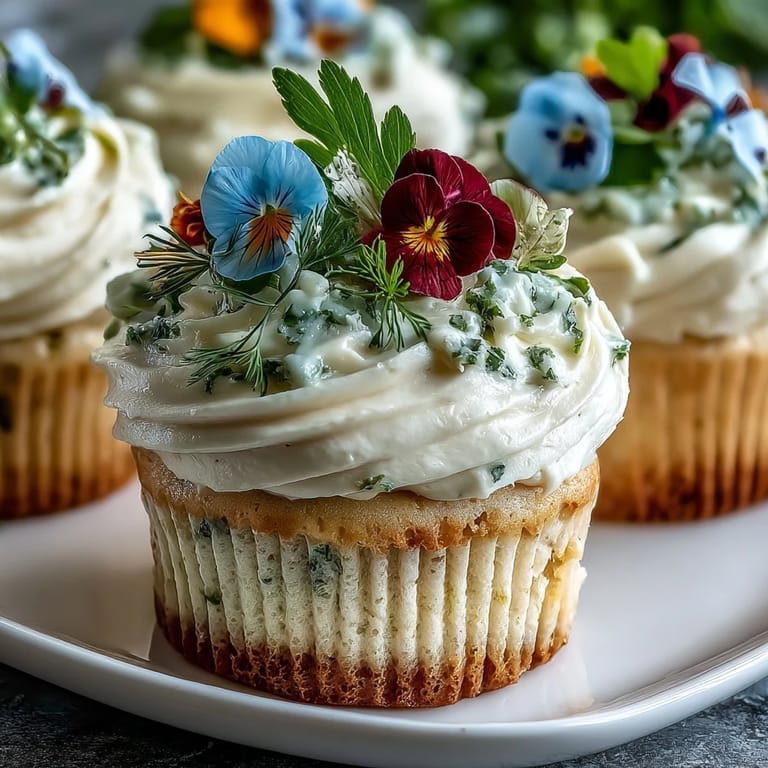
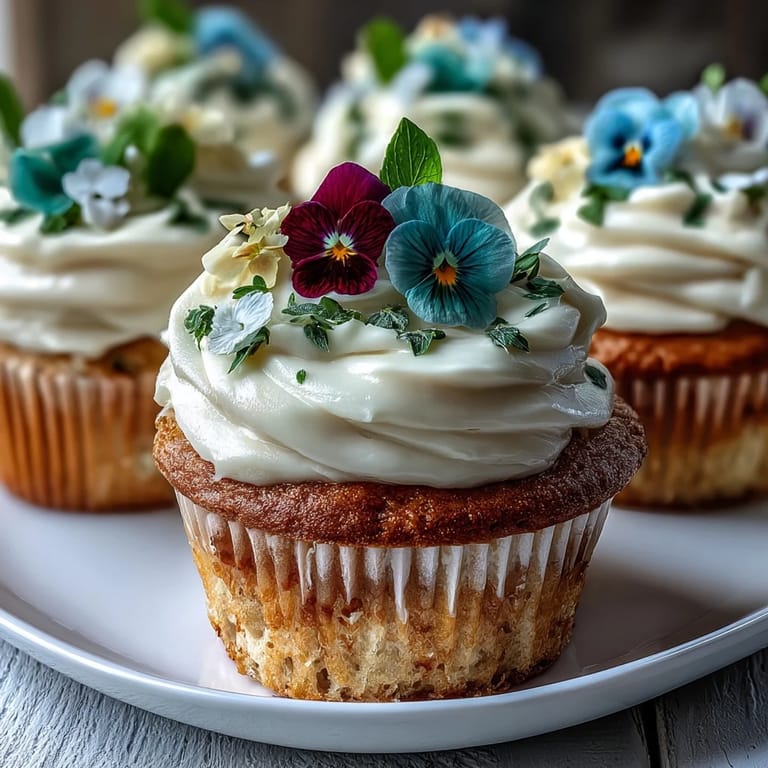
- Once cupcakes cool, spread or pipe buttercream, then gently press edible flowers on top; this step feels like crafting joy with your hands.
 Save
Save There was a brunch when I brought a tray of these bright cupcakes, and people gathered around, smelling and admiring each one before picking. I remember a quiet moment watching friends choose their flowers, matching colors to moods, as if dessert had turned into a little flower market. It was more than food—it was a conversation starter, a memory-maker. I caught someone snapping a photo before taking a bite, and grinned knowing I’d brought just a touch of spring indoors. The cupcakes themselves became keepsakes for that warm, buzzy afternoon.
Choosing & Preparing Edible Flowers
Edible flowers are the stars here, but you need to select carefully. Buy from trusted suppliers or know your garden source—chemicals and pesticides are off-limits for anything destined for dessert. Rinse gently under cold water and lay out on paper towels, then pat dry; I once skipped this step and ended up with soggy, wilted decorations. If you want bold color, pansies and violets are reliable, while nasturtiums add peppery contrast. Handling flowers feels almost meditative—the slower you go, the prettier the result.
Buttercream Basics
The secret to luscious buttercream is patience and temperature. Start with truly softened butter—you should press in and feel no resistance. Add powdered sugar in batches, otherwise you'll coat yourself in a cloud (trust me, it's happened). A dash of milk and real vanilla keeps things creamy rather than sticky. Chill the frosting if it gets warm and soft, especially when the kitchen is sunny. The more you beat, the lighter and more pillowy it gets—don’t skimp on this step.
Serving & Storage Suggestions
These cupcakes are best served same-day, when the flowers are crisp and colors vivid. I like to store leftovers in an airtight container, but avoid stacking so frosting and flowers don’t get smushed. If you’re gifting, include a little note about the edible blooms—they spark curiosity and conversation. Share them at picnics or parties where the decor becomes the dessert. Here’s what I always double-check before sharing:
- Flowers are truly pesticide-free and edible.
- Keep cupcakes cool, but not refrigerated, to avoid droopy buttercream.
- If pairing with drinks, floral teas or sparkling wine feel extra festive.
 Save
Save Sharing these cupcakes always brightens the table, and every flower-topped treat becomes its own little story. Enjoy baking, decorating, and savoring a touch of spring in every bite.
Recipe FAQ
- → Which flowers are safe for decorating?
Use edible flowers like pansies, violets, calendula, and nasturtiums from reputable or pesticide-free sources.
- → How can I make cupcakes extra moist?
Ensure butter and eggs are at room temperature and mix batter gently. Avoid overmixing for tender cupcakes.
- → Can I add flavor variations?
Lemon zest or almond extract can be added to the batter for a fresh twist on the vanilla base.
- → How should decorated cupcakes be stored?
Keep them in an airtight container at room temperature for up to 2 days. Refrigerate if needed for longer.
- → What tools do I need?
Muffin tin, cupcake liners, bowls, mixer, spatula, measuring tools, and a wire rack are helpful for preparation.
- → Can I use non-dairy alternatives for buttercream?
Swap butter for a plant-based option and milk for non-dairy milk to make the buttercream vegetarian-friendly.