Vegetable Broth From Scraps

Featured in: Home-Style Cooking

Transform your kitchen scraps into liquid gold with this simple, sustainable broth. Using carrot peels, onion skins, celery ends, and aromatic herbs, you'll create a flavorful base for soups, stews, and risottos in just over an hour. Simply simmer your clean vegetable trimmings with bay leaf, peppercorns, and thyme, then strain for a crystal-clear, vegan-friendly broth. Store for up to 5 days refrigerated or freeze for 3 months.

Updated on Fri, 30 Jan 2026 15:46:32 GMT
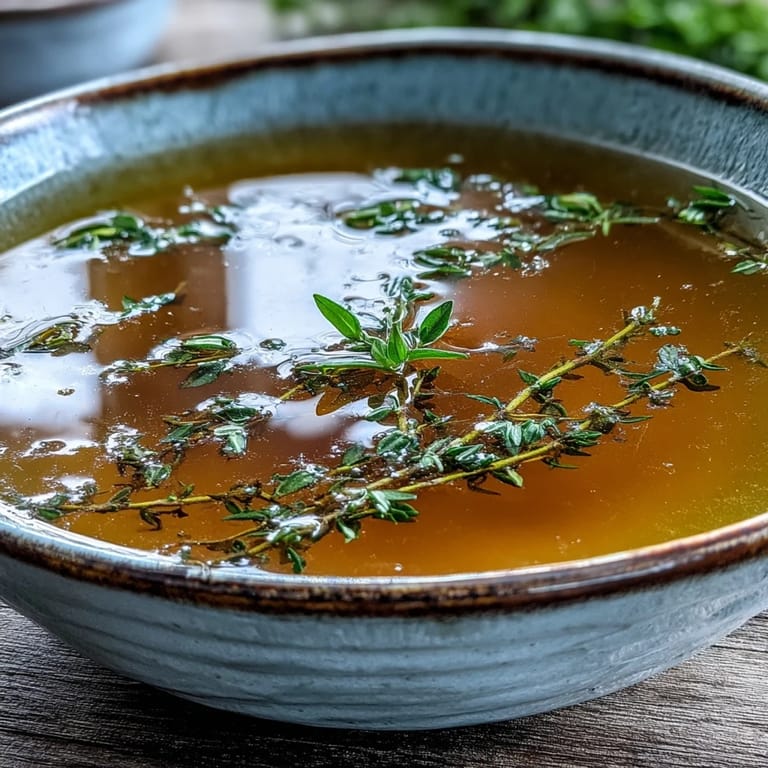
Homemade Vegetable Broth From Scraps simmering in a large pot with aromatic bay leaf and peppercorns for a nourishing soup base. Save
Homemade Vegetable Broth From Scraps simmering in a large pot with aromatic bay leaf and peppercorns for a nourishing soup base. | douxtifawine.com

Creating a homemade Vegetable Broth From Scraps is the ultimate kitchen hack for those who love sustainable and flavorful cooking. Instead of discarding your vegetable trimmings, you can transform them into a rich, aromatic liquid gold that serves as a nourishing base for countless dishes.

Homemade Vegetable Broth From Scraps simmering in a large pot with aromatic bay leaf and peppercorns for a nourishing soup base. Save
Homemade Vegetable Broth From Scraps simmering in a large pot with aromatic bay leaf and peppercorns for a nourishing soup base. | douxtifawine.com

What's for Dinner Tonight? 🤔

Stop stressing. Get 10 fast recipes that actually work on busy nights.

Free. No spam. Just easy meals.

This process is as simple as it is rewarding. As the pot gently simmers on your stove, your kitchen will be filled with a comforting, earthy aroma that signals a delicious meal is in the making. It is a slow-cooking ritual that yields a versatile staple for any home chef.

Ingredients

Tired of Takeout? 🥡

Get 10 meals you can make faster than delivery arrives. Seriously.

One email. No spam. Unsubscribe anytime.

  • 4 cups assorted vegetable trimmings (carrot peels, onion skins, celery ends, leek tops, mushroom stems, parsley stems, garlic skins, etc.)
  • 1 bay leaf
  • 5–7 black peppercorns
  • 2 cloves garlic (crushed, optional)
  • 1 teaspoon salt (optional, adjust to taste)
  • 1 sprig fresh thyme or 1/2 teaspoon dried thyme (optional)
  • 8 cups (2 liters) cold water

Instructions

Step 1: Prep the Scraps
Collect clean, fresh vegetable scraps in a large bowl. Avoid using potato peels, brassicas (like broccoli, cauliflower, cabbage), or overly starchy/sweet vegetables, as they may add bitterness or cloudiness.
Step 2: Combine Ingredients
Place the vegetable scraps, bay leaf, peppercorns, garlic, salt, and thyme in a large stockpot.
Step 3: Add Water
Add the cold water, ensuring all scraps are submerged.
Step 4: Bring to Temperature
Bring to a boil over medium-high heat, then reduce to a gentle simmer.
Step 5: Simmer
Simmer uncovered for 45–60 minutes, occasionally skimming off any foam.
Step 6: Taste and Adjust
Taste and adjust seasoning if needed.
Step 7: Strain
Strain the broth through a fine-mesh sieve or cheesecloth into a clean container. Discard the solids.
Step 8: Store
Let the broth cool, then store in airtight containers. Refrigerate for up to 5 days or freeze for up to 3 months.

Zusatztipps für die Zubereitung

For a richer and deeper flavor profile, try roasting your vegetable scraps in the oven at 200°C (400°F) for about 20 minutes before simmering them in the water. This caramelizes the sugars in the vegetables and creates a darker, more robust broth.

Still Scrolling? You'll Love This 👇

Our best 20-minute dinners in one free pack — tried and tested by thousands.

Trusted by 10,000+ home cooks.

Varianten und Anpassungen

If you want to add an extra punch of umami, include a small piece of kombu or a few dried mushrooms in the pot. You can also vary the herbs based on what you have available, though keeping salt low is recommended if you plan to use the broth as a base for other recipes.

Serviervorschläge

Use this aromatic liquid as a base for hearty winter soups, creamy risottos, or to add flavor when cooking grains. It is also light enough to be enjoyed on its own as a warm, nourishing drink during the colder months.
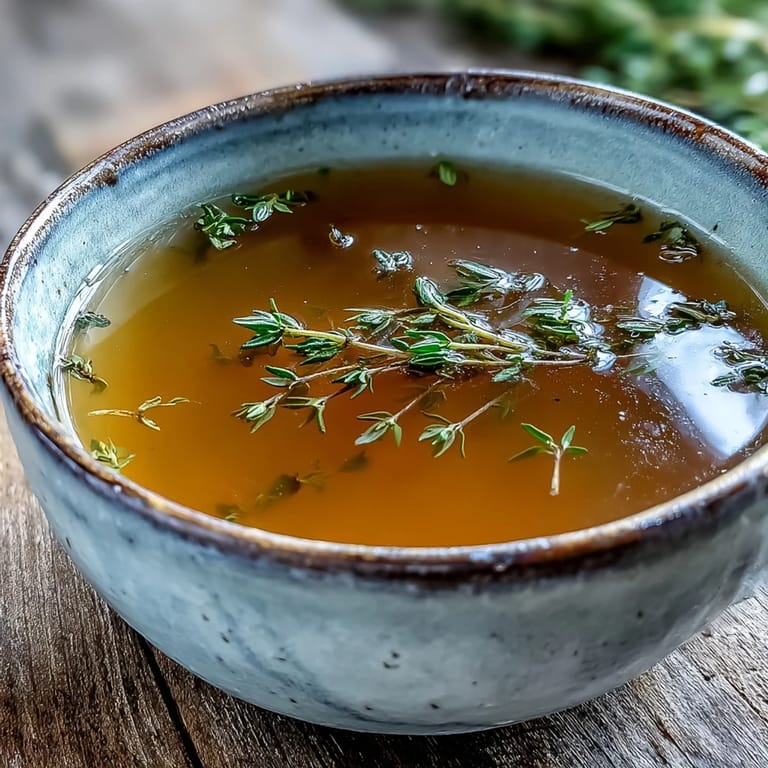
Golden vegetable scraps simmer into rich Vegetable Broth From Scraps, steaming beside a fine-mesh sieve for straining before storing in mason jars. Save
Golden vegetable scraps simmer into rich Vegetable Broth From Scraps, steaming beside a fine-mesh sieve for straining before storing in mason jars. | douxtifawine.com

Making your own Vegetable Broth From Scraps is a simple yet impactful way to elevate your cooking while respecting the ingredients. Once you taste the difference that a homemade base makes, it will become a permanent fixture in your culinary repertoire.

Recipe FAQ

Which vegetable scraps work best for broth?

Carrot peels, onion skins, celery ends, leek tops, mushroom stems, parsley stems, and garlic skins work wonderfully. Avoid potato peels and brassicas like broccoli or cabbage, which can create bitterness and cloudiness.

How long can I store homemade vegetable broth?

Store in airtight containers in the refrigerator for up to 5 days, or freeze in portions for up to 3 months. Ice cube trays work great for freezing smaller amounts.

Should I add salt while cooking the broth?

Salt is optional during cooking. If you plan to use the broth in other dishes, it's better to keep it unsalted or lightly salted, then season individual dishes as needed.

Can I roast the vegetable scraps first?

Yes! Roasting scraps at 200°C (400°F) for 20 minutes before simmering adds deeper, caramelized flavors and creates a richer, more complex broth.

What can I add for extra umami flavor?

A small piece of kombu seaweed or dried mushrooms adds wonderful savory depth. You can also include tomato ends or a splash of soy sauce for enhanced umami notes.

How do I know when the broth is done?

After 45-60 minutes of gentle simmering, the broth should be golden and aromatic. Taste it—the vegetables should have released their flavors, and the liquid should be flavorful and well-rounded.


20-Minute Dinner Pack — Free Download 📥

10 recipes, 1 shopping list. Everything you need for a week of easy dinners.

Instant access. No signup hassle.

Vegetable Broth From Scraps

Nourishing homemade broth from leftover vegetable trimmings and aromatics - perfect for soups or sipping.

Prep duration
10 min
Cooking duration
60 min
Time required
70 min
Author Ronald Meyer


Skill Level Easy

Cuisine Type International

Makes 8 Portions

Diet Preferences Plant-Based, No dairy, No gluten, Reduced-Carb

What You Need

Vegetable Scraps

01 4 cups assorted vegetable trimmings (carrot peels, onion skins, celery ends, leek tops, mushroom stems, parsley stems, garlic skins)

Aromatics & Seasoning

01 1 bay leaf
02 5-7 black peppercorns
03 2 cloves garlic, crushed (optional)
04 1 teaspoon salt (optional, adjust to taste)
05 1 sprig fresh thyme or 1/2 teaspoon dried thyme (optional)
06 8 cups cold water

Step-by-Step

Step 01

Prepare Vegetable Scraps: Collect clean, fresh vegetable scraps in a large bowl. Avoid potato peels, brassicas (broccoli, cauliflower, cabbage), and overly starchy or sweet vegetables as they may create bitterness or cloudiness.

Step 02

Combine Ingredients: Place vegetable scraps, bay leaf, peppercorns, garlic, salt, and thyme in a large stockpot.

Step 03

Add Water: Pour cold water into the stockpot, ensuring all scraps are completely submerged.

Step 04

Bring to Boil: Increase heat to medium-high and bring the mixture to a rolling boil.

Step 05

Simmer: Reduce heat to low and maintain a gentle simmer uncovered for 45-60 minutes. Occasionally skim off any foam that rises to the surface.

Step 06

Adjust Seasoning: Taste the broth and adjust salt and seasonings as needed.

Step 07

Strain: Pour the broth through a fine-mesh sieve or cheesecloth into a clean container, discarding the solids.

Step 08

Cool and Store: Allow the broth to cool completely, then transfer to airtight containers. Refrigerate for up to 5 days or freeze for up to 3 months.

You Just Made Something Great 👏

Want more like this? Get my best easy recipes — free, straight to your inbox.

Join 10,000+ home cooks. No spam.

Tools You'll Need

  • Large stockpot
  • Fine-mesh sieve or cheesecloth
  • Ladle
  • Airtight storage containers

Allergy details

Review ingredient list for any allergens and reach out to a medical expert if unsure.
  • Contains no common top 8 allergens; verify ingredient scraps for celery or other specific allergen presence if concerned.

Nutrition Details (per serving)

Shared for helpful reference only—always check with your healthcare practitioner.
  • Energy: 15
  • Fats: 0 g
  • Carbohydrates: 3 g
  • Proteins: 0 g

Cooking Shouldn't Be Hard ❤️

Get a free recipe pack that makes weeknight dinners effortless. Real food, real fast.

Free forever. Unsubscribe anytime.