 Save
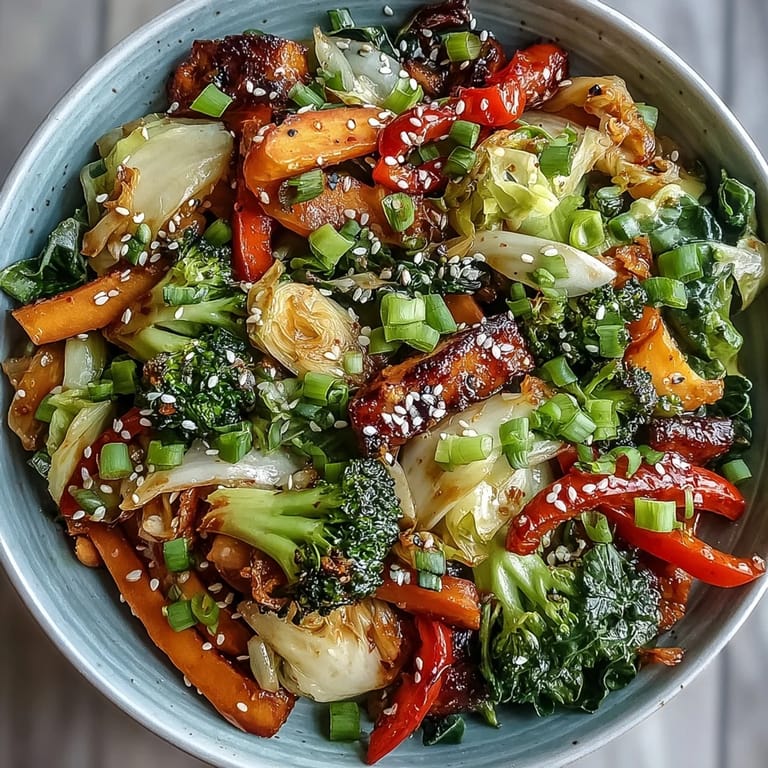
Save Last January, a friend handed me a jar of homemade kimchi at the farmer's market with a knowing smile, saying I'd understand what to do with it once winter really hit. That night, rummaging through my fridge for something warming but not heavy, I threw together whatever colorful vegetables I had and tossed them with that tangy, spicy fermented magic. The kitchen filled with steam and sesame, and suddenly I had something that tasted like comfort but felt alive on my tongue. It's become my go-to when the season demands something that warms you from the inside while keeping you honest.
I made this for my sister during a surprise visit, and she sat at my kitchen counter watching the vegetables hit the hot oil with this sizzle that made her laugh. She'd been stressed about work, and something about the simple choreography of the stir-fry—the timing, the colors shifting—seemed to calm her down. When I added the kimchi at the end and the whole thing came alive with that fermented tang, she closed her eyes and took a bite. That's when I knew this wasn't just dinner; it was one of those dishes that does something quiet and necessary.
Ingredients
- Broccoli florets: They hold their shape beautifully when you don't overcook them, and their slight bitterness plays against the kimchi's heat in a way that feels balanced.
- Carrots: Bias-cut means they cook faster and catch the heat more evenly, plus they look more intentional on the plate.
- Parsnip: Sweeter and subtler than carrots, it adds a creamy texture that surprises people who usually skip root vegetables.
- Sweet potato: Matchstick-thin is the key—thick pieces won't soften in time and thin ones give you caramelized edges that taste like toasted honey.
- Green cabbage: Raw cabbage stays crisp longer than you'd expect, and shredding it yourself gives you control over the bite size.
- Red bell pepper: Slice it last-minute if you can; the color fades fast once it hits heat, so adding it near the end keeps it jewel-bright.
- Fresh ginger and garlic: These are non-negotiable—they're the perfume that makes your kitchen smell like you know what you're doing.
- Toasted sesame oil: This is where most people go wrong; regular sesame oil won't give you that nutty depth, and a little goes a long way.
- Soy sauce or tamari: Tamari tastes cleaner if you're sensitive to wheat, but both work equally well here.
- Rice vinegar: It's gentle and bright without being aggressive, which matters when you're balancing fermented funk.
- Maple syrup or honey: A tiny touch of sweetness rounds out the sharp flavors and makes everything feel intentional.
- Kimchi: This is the star—its probiotics stay viable when you don't cook it, so always add it at the end, off heat.
- Green onions and sesame seeds: These finish the dish with a textural whisper and a hint of toasted richness.
Tired of Takeout? 🥡
Get 10 meals you can make faster than delivery arrives. Seriously.
One email. No spam. Unsubscribe anytime.
Instructions
- Get everything ready:
- Mise en place sounds fancy but it's actually the thing that separates a chaotic stir-fry from a smooth one. Cut your vegetables, mince your aromatics, whisk your sauce—this takes five minutes and changes everything about how calm you'll feel once the wok gets hot.
- Heat your oil and wake up the aromatics:
- Medium-high heat matters here; you want the oil shimmering but not smoking. The ginger and garlic should hit it with a sizzle and fill your kitchen with that perfumy signal that says something delicious is happening.
- Build the vegetables in layers:
- Start with the slower-cooking vegetables—carrots, parsnip, sweet potato, and broccoli—because they need a head start. The wok should sound alive with activity, and your vegetables should have the smallest edges of color when you're done.
- Finish with the quick-cooking vegetables:
- Cabbage and bell pepper only need three to four minutes, so you can almost watch them shift from raw to tender before your eyes. Keep your spatula moving; this is where stir-frying earns its name.
- Toss with sauce off heat:
- Take the pan off the stove, add your sauce, and fold everything together so the flavors meld without the vegetables overcooking. This is your moment to taste and adjust—more soy if it needs salt, more vinegar if it needs brightness.
- Add kimchi as the final gesture:
- Chopped kimchi goes in after heat because cooking kills the beneficial bacteria you're after. A gentle toss keeps its texture and ensures every bite has that fermented complexity.
 Save
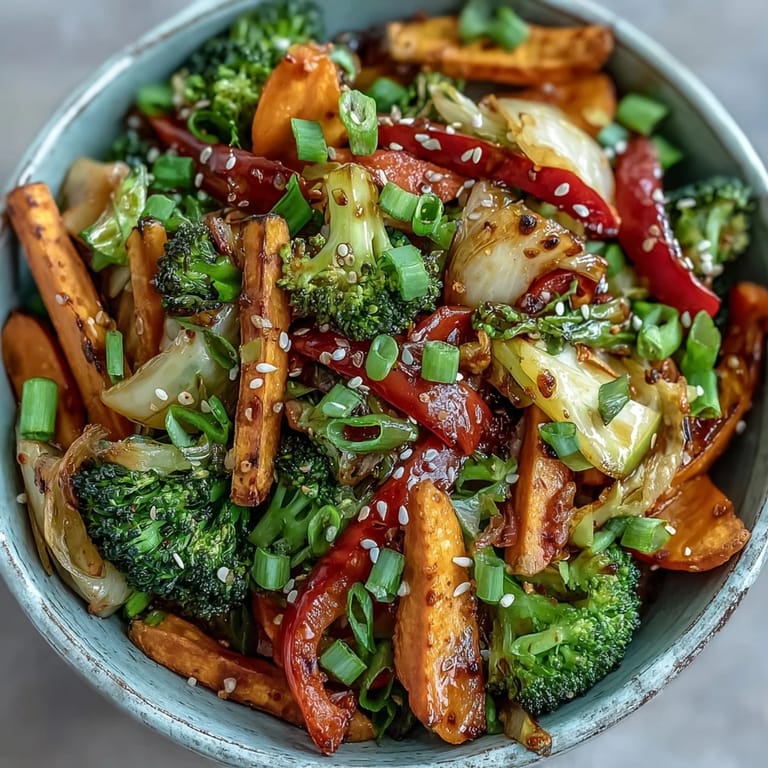
Save There's a moment in cooking when you realize a dish has become more than the sum of its parts—when the kitchen smells right, the colors are singing, and people are leaning in before you've even plated it. This stir-fry is that kind of dish, the one that sits at that sweet spot between indulgent and honest, between comfort and vitality.
Why This Works in Winter
Winter vegetables have something grounding about them—they're dense, they're sweet when you cook them, and they feel substantial without being heavy. The bias-cut carrots and matchstick sweet potato aren't just for show; they change how fast the vegetables cook and how your mouth experiences them. When you add the kimchi at the end, you're bringing in something alive and fermented, which oddly enough feels more wintery than summery. It's like serving warmth and vitality in the same bowl.
Making It Your Own
The beautiful thing about this recipe is that it works as a framework, not a rulebook. I've made it with turnip instead of parsnip on nights when that's what I had, swapped quinoa for rice when I wanted something lighter, and played with the heat level by adjusting kimchi amount based on who was eating. The vegetables are the canvas, and the kimchi is the color you choose—bold and spicy, or subtle and tangy depending on what you need that night.
Serving Suggestions and Storage
Serve this hot straight from the wok if you want the vegetables to stay crisp, or let it cool slightly if you prefer them a bit softer. It keeps in the fridge for three days, though the vegetables gradually soften and the kimchi flavor spreads, which honestly isn't bad—it becomes something different and equally good. If you're storing it, wait to add the sesame seeds until you're ready to eat; they stay crunchier that way.
- Serve over steamed rice, quinoa, soba noodles, or even on its own as a light main course.
- Leftovers taste even better the next day once the flavors have had time to get to know each other.
- If you're feeding someone who's new to fermented foods, let them know the kimchi is mild when mixed in, and they can always add more on their own plate.
 Save
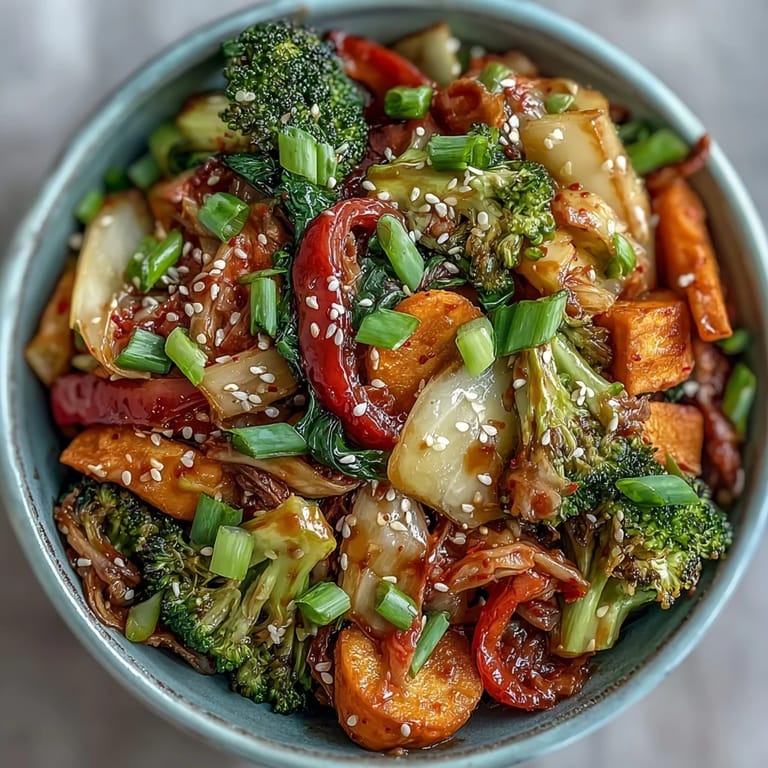
Save This stir-fry has become the dish I reach for when I want to feel both grounded and energized, when winter feels long but my kitchen still has magic left in it. It's proof that the simplest meals are sometimes the ones that matter most.
Recipe FAQ
- → What vegetables work best in this stir-fry?
Broccoli, carrots, sweet potatoes, parsnips, and cabbage are ideal choices that hold their texture during high-heat cooking. You can also substitute turnips, rutabaga, or kale depending on what's available.
- → Can I make this gluten-free?
Yes, simply replace the soy sauce with tamari. Always check your kimchi label, as some varieties contain gluten or fish sauce.
- → Why add kimchi at the end?
Adding kimchi off the heat preserves the beneficial probiotics and live cultures. High heat can destroy these gut-friendly bacteria, so a gentle toss ensures maximum nutritional benefit.
- → How spicy is this dish?
The spice level depends on your kimchi. Traditional kimchi ranges from mild to quite spicy. Adjust the quantity to suit your preference, or choose a milder variety if sensitive to heat.
- → What can I serve with this stir-fry?
Steamed jasmine rice, nutty quinoa, or soba noodles make excellent bases. The dish also stands alone as a light main, packed with fiber and vitamins from the diverse vegetable mix.
- → How long does this keep in the refrigerator?
Store in an airtight container for up to 3-4 days. Reheat gently over medium heat to maintain the vegetables' crisp-tender texture. The flavors often deepen overnight, making leftovers even more delicious.