 Save
Save The first time I made a buddha bowl, I was starving after a long hike and just threw together whatever was in my fridge. That chaotic assembly taught me something beautiful about these bowls, they celebrate the art of using what you have and making it feel intentional. Now this recipe has become my Sunday meal prep secret, turning humble ingredients into something that feels like a restaurant lunch every single day.
Last winter, my sister came over feeling completely burned out from work. I assembled these bowls while she talked, the rhythm of chopping vegetables and whisking dressing becoming its own kind of meditation. We ate them on the couch while watching a terrible movie, and she said it was exactly what she needed, nourishing food that did not demand anything from her.
Ingredients
- 1 cup quinoa or brown rice: Quinoa cooks faster and has a fluffier texture, while brown rice adds nuttiness and more chew
- 2 cups water: Perfect ratio for fluffy grains that hold their shape in the bowl
- 400 g firm tofu or 2 chicken breasts: Tofu becomes crispy when baked, chicken stays juicy when sliced thin and cooked quickly
- 1 cup cherry tomatoes: Their sweetness pops against the savory grains and creamy dressing
- 1 cup shredded carrots: Adds crunch and vibrant color that makes the bowl feel cheerful
- 1 cup baby spinach: Use it as the base layer or tuck it around other vegetables
- 1 cup steamed broccoli: Slight char from the skillet adds depth, but steaming keeps it bright green
- 1 ripe avocado: The creaminess bridges the crispy vegetables and hearty grains
- 3 tbsp tahini: This sesame paste creates the luxurious base for the dressing
- 2 tbsp lemon juice: Fresh is non negotiable, bottled juice lacks the bright acidity needed
- 1 tbsp maple syrup or honey: Just enough sweetness to balance the tahini bitterness
Tired of Takeout? 🥡
Get 10 meals you can make faster than delivery arrives. Seriously.
One email. No spam. Unsubscribe anytime.
Instructions
- Cook your grains first:
- Rinse quinoa under cold water until the water runs clear, then combine with water in a saucepan. Bring to a boil, reduce heat to low, cover and simmer for 15 minutes. Remove from heat and let it steam covered for 5 more minutes before fluffing with a fork.
- Prepare the protein:
- For tofu, press it for 15 minutes to remove excess moisture, then cube and toss with olive oil, salt and pepper. Bake at 400°F for 20 minutes, flipping halfway until golden and crispy on all edges. For chicken, slice it thinly against the grain and season generously before sautéing in a hot skillet with oil for 6 to 8 minutes until cooked through.
- Prep your vegetables while the protein cooks:
- Halve the cherry tomatoes, shred the carrots, and steam the broccoli florets until tender but still bright. Slice the avocado just before serving to prevent browning, and thinly slice the radishes for a peppery bite.
- Make the tahini dressing:
- Whisk together the tahini, lemon juice, olive oil, maple syrup or honey, minced garlic, salt and pepper. The mixture will seize up at first, then smooth out as you add water one tablespoon at a time until it reaches a drizzleable consistency. Taste and adjust the lemon or salt as needed.
- Assemble your bowls:
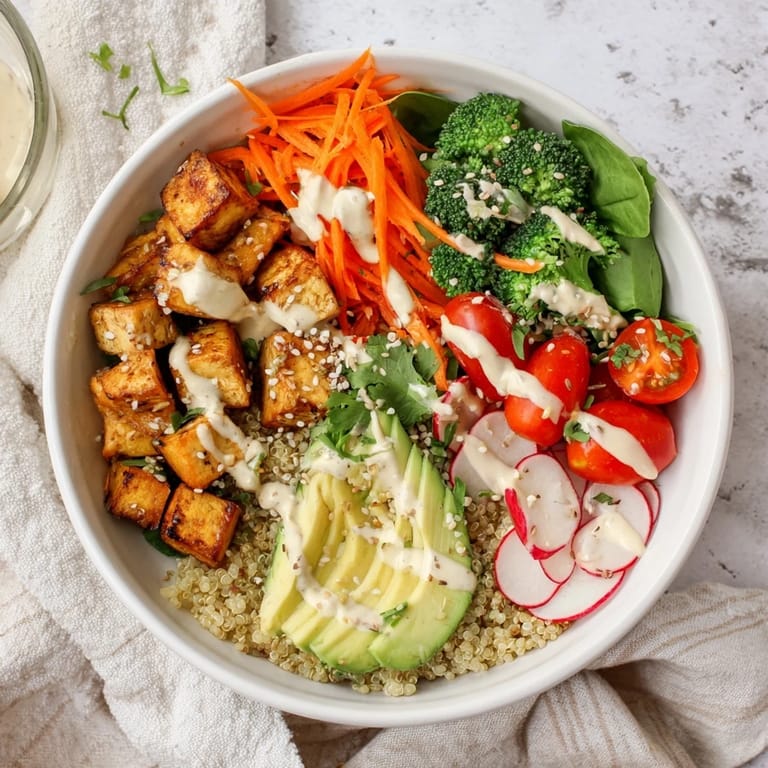
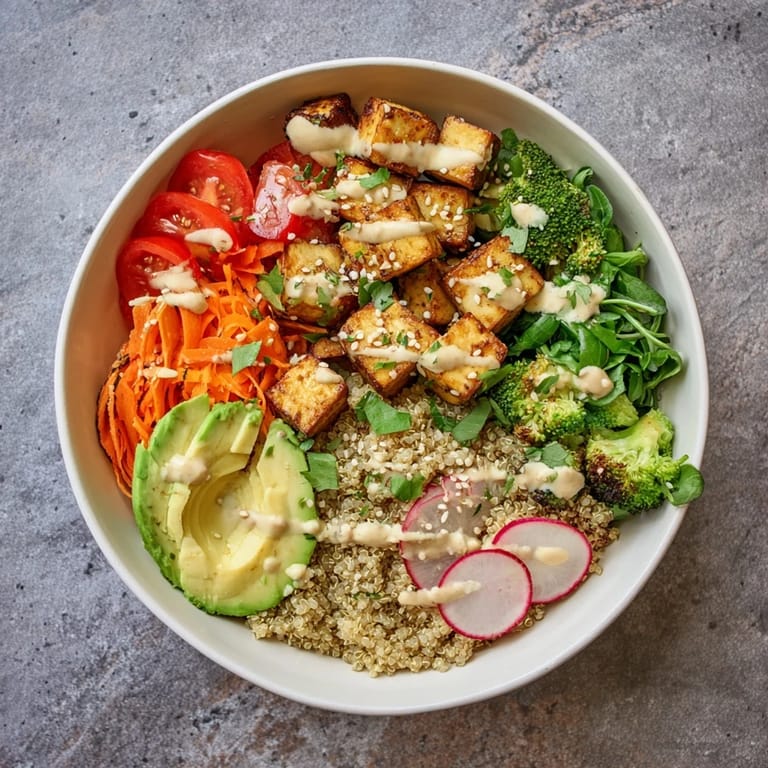
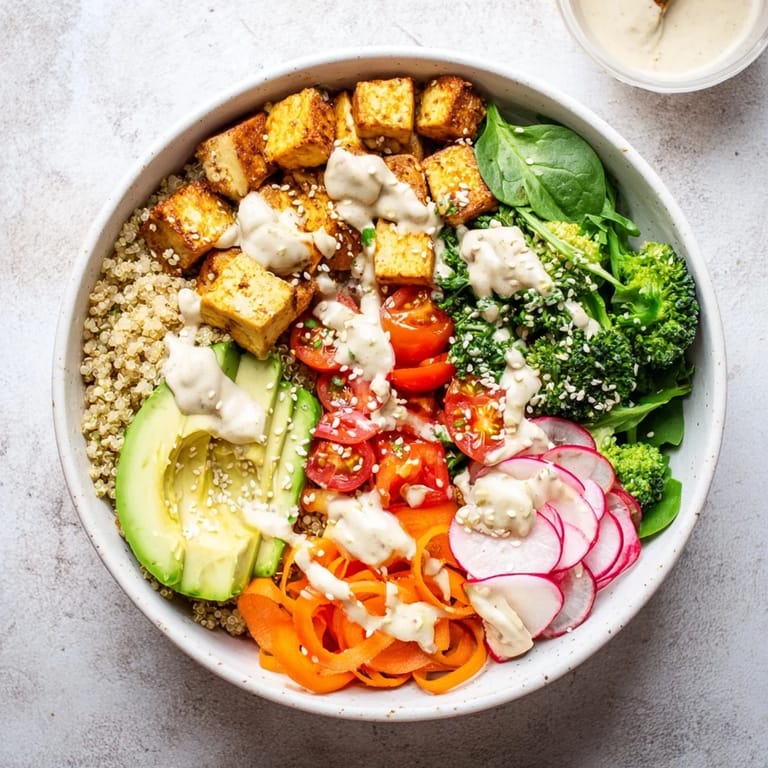
- Start with a base of cooked grains, then arrange the vegetables and protein in sections around the bowl like a colorful clock. Drizzle generously with the tahini dressing and finish with sesame seeds, fresh herbs, and pickled red onions if you have them.
 Save
Save These bowls have become my go to for friends who say they do not know how to cook. There is something forgiving about the format, no technique required, just assembly and good ingredients. Last month I taught my neighbor to make them, and now she sends me photos of her own creations with different vegetables each week.
Making It Your Own
The beauty of a buddha bowl is in its flexibility. Try roasted sweet potato instead of steamed broccoli, or add shredded red cabbage for extra crunch. I have used farro, millet, and even leftover roasted potatoes as the grain base, all work beautifully.
Protein Variations
Beyond tofu and chicken, roasted chickpeas add incredible crunch and make this completely plant based. Shrimp cooks in just three minutes and pairs beautifully with the tahini dressing. Even a soft boiled egg perched on top makes it feel like a complete meal.
Meal Prep Magic
Sunday afternoons I cook a big batch of grains and roast a sheet pan of vegetables. The dressing keeps in a jar all week, and I just warm everything up and assemble. This simple practice has completely transformed my relationship with weeknight cooking.
- Store the dressing separately so nothing gets soggy
- Keep avocado from browning by tossing it with a little lemon juice
- Toast extra sesame seeds and keep them in a jar for quick toppings
 Save
Save There is something deeply satisfying about eating from a bowl filled with so many colors and textures. Hope this brings some ease and nourishment to your table too.
Recipe FAQ
- → What makes a Buddha bowl different from regular grain bowls?
Buddha bowls traditionally arrange ingredients in sections rather than mixing them together, showcasing each component's colors and textures. The foundation is whole grains, complemented by roasted or raw vegetables, a protein source, and a flavorful dressing like tahini. This presentation creates visual appeal while ensuring balanced nutrition in every bite.
- → Can I prepare these bowls in advance for meal prep?
Absolutely. Cook the grains and protein ahead of time, chop vegetables, and store them separately in airtight containers. Keep the dressing in a small jar. When ready to eat, simply assemble the bowls and drizzle with dressing. The components stay fresh for 3-4 days in the refrigerator, making these bowls perfect for busy weekday lunches.
- → What grains work best as the base?
Quinoa and brown rice are excellent choices, offering great texture and nutrition. Farro provides a chewy, nutty element, while millet adds a lighter, fluffier base. For a quicker option, use pre-cooked grains or even cauliflower rice for a lower-carb variation. Each grain brings its own character to the bowl.
- → How do I get the crispiest tofu for these bowls?
Press your tofu for at least 15 minutes to remove excess moisture, then cut into uniform cubes. Toss with minimal oil and seasoning, spread on a baking sheet without overcrowding, and bake at 200°C (400°F). Flip halfway through cooking for even browning. The result is golden, crispy cubes with a satisfying texture that contrasts beautifully with the creamy tahini dressing.
- → What vegetables can I use besides what's listed?
The beauty of Buddha bowls lies in their versatility. Roasted sweet potatoes, sautéed kale, shredded purple cabbage, cucumber slices, roasted bell peppers, or steamed edamame all work wonderfully. Use what's in season or what you have on hand. The key is variety in color, texture, and cooking methods—some raw, some roasted, some steamed.
- → Is the tahini dressing suitable for other dishes?
This tahini dressing is incredibly versatile and worth making in larger batches. It pairs beautifully with roasted vegetables, drizzled over grilled meats, or as a sauce for wraps and sandwiches. The combination of nutty tahini, bright lemon, subtle sweetness, and garlic creates a balanced flavor that enhances countless dishes beyond just Buddha bowls.